Every day, visitors walk into Dutch Pancake Masters expecting one thing and leave having learned something completely different.
Sometimes it’s a pleasant surprise. Sometimes it’s mild confusion. And occasionally it’s the look of someone trying to process the fact that a pancake can contain both bacon and syrup at the same time.
If you’re visiting the Netherlands for the first time, here are a few things about Dutch pancakes that might catch you off guard.
And honestly? That’s part of the fun.
1. Dutch People Eat Pancakes for Dinner
For many visitors, pancakes belong to breakfast. Maybe brunch if you’re feeling fancy.
In the Netherlands, however, pancakes have a completely different reputation.
For generations, Dutch families have eaten pancakes as an evening meal. Not as a dessert. Not as a weekend treat. Just dinner.
Ask a Dutch person about pancake night and you’ll often hear the same story: someone standing by the stove, a growing stack of pancakes nearby, and everyone at the table waiting for their turn.
It isn’t unusual. It isn’t a special occasion.
It’s simply what Dutch people do.
Of course, at DPM, we’re not strict about timing. Whether you’re craving pancakes at breakfast, lunch, dinner or somewhere in between, we’re happy to support your decision.
2. They’re Much Bigger Than Expected
Many visitors imagine something small when they hear the word pancake.
Then the plate arrives.
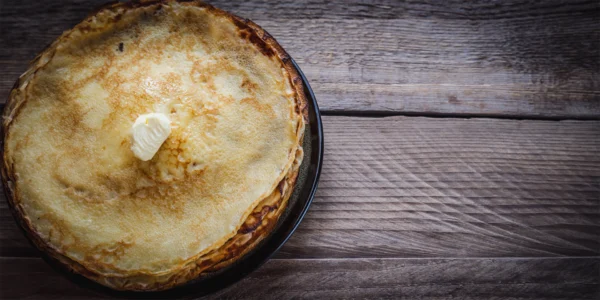
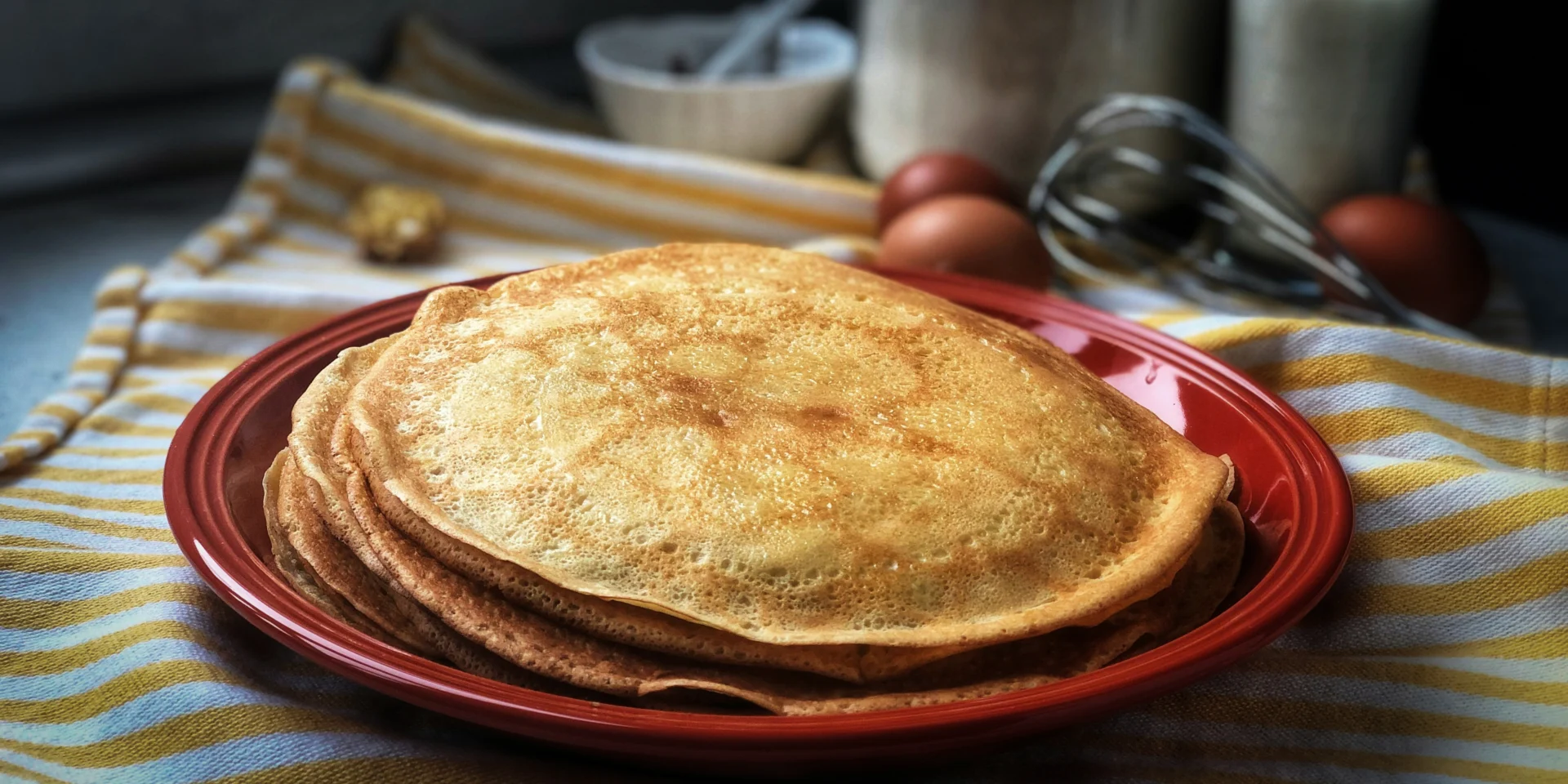
A traditional Dutch pancake is large. Very large.
The goal was never to create a tiny, delicate dish. Dutch pancakes were designed to be a complete meal, capable of carrying toppings without collapsing under the pressure.
It’s one of the reasons they feel so satisfying. You’re not ordering a side dish. You’re ordering the main event.
3. Sweet and Savoury Belong Together
This might be the biggest surprise of all.
Visitors often assume they have to choose between sweet and savoury. Dutch pancakes happily ignore that rule.
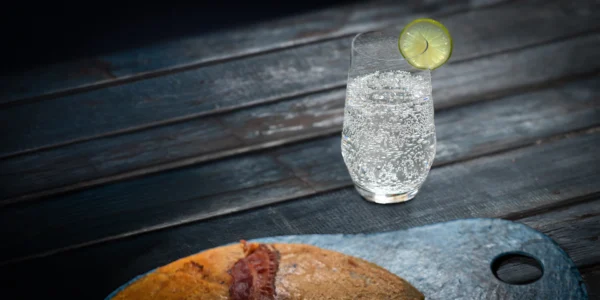
A traditional favourite combines crispy bacon with syrup. Cheese is often baked directly into the pancake itself. Apple and cinnamon sit comfortably alongside savoury options on the same menu.
To Dutch people, this makes perfect sense.
To first-time visitors, it can take a moment.
Fortunately, most become believers after the first bite.
4. There’s a Right Way to Roll One
If you’ve ever watched a Dutch person eat a simple pancake, you’ve probably noticed something.
We roll them.
A pancake with syrup, powdered sugar or a light topping is often rolled into a neat cylinder before being cut and eaten with a knife and fork.
It’s practical. It keeps everything together. And for many Dutch people, it’s something they’ve done since childhood.
That said, not every pancake can be rolled.
Once you start adding generous toppings, melted cheese, vegetables, bacon or eggs, the strategy changes. At that point, you’re no longer rolling — you’re simply enjoying.
Both approaches are perfectly acceptable. We don’t judge.
5. It’s About More Than the Pancake
What surprises many visitors most isn’t the size or the toppings.
It’s the atmosphere surrounding it.
Dutch pancakes are deeply connected to togetherness. They’re associated with family dinners, birthdays, camping holidays, grandparents, rainy weekends and long conversations around the table.
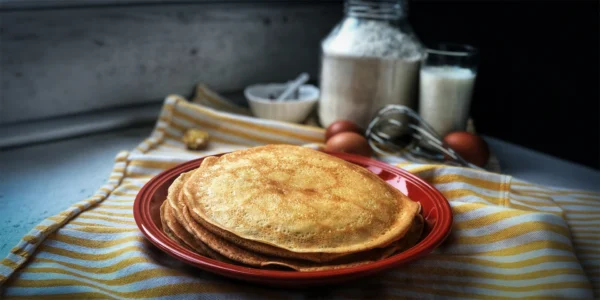
The recipe itself is simple. Flour, milk, eggs and a little patience.
The memories built around them are what make them special.
That’s why Dutch people become strangely passionate when discussing the “right” toppings. It’s rarely about the toppings themselves. It’s about the memories attached to them.
One Last Surprise
Many visitors arrive expecting to try a pancake.
What they don’t expect is to discover a small piece of Dutch culture at the same time.
Because a traditional Dutch pancake isn’t just food. It’s a ritual. A family dinner. A comfort meal. A conversation starter.
And occasionally, it’s a pancake topped with bacon and syrup that somehow makes perfect sense.
We know. We were surprised too. Once.