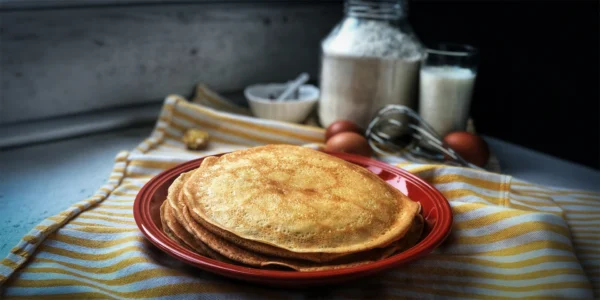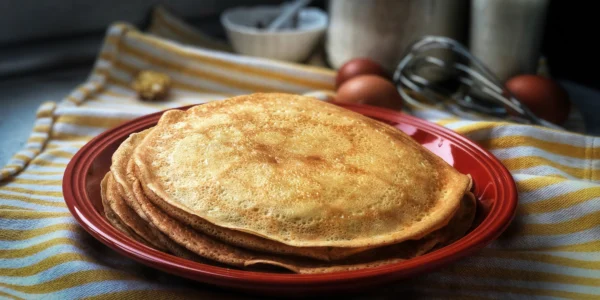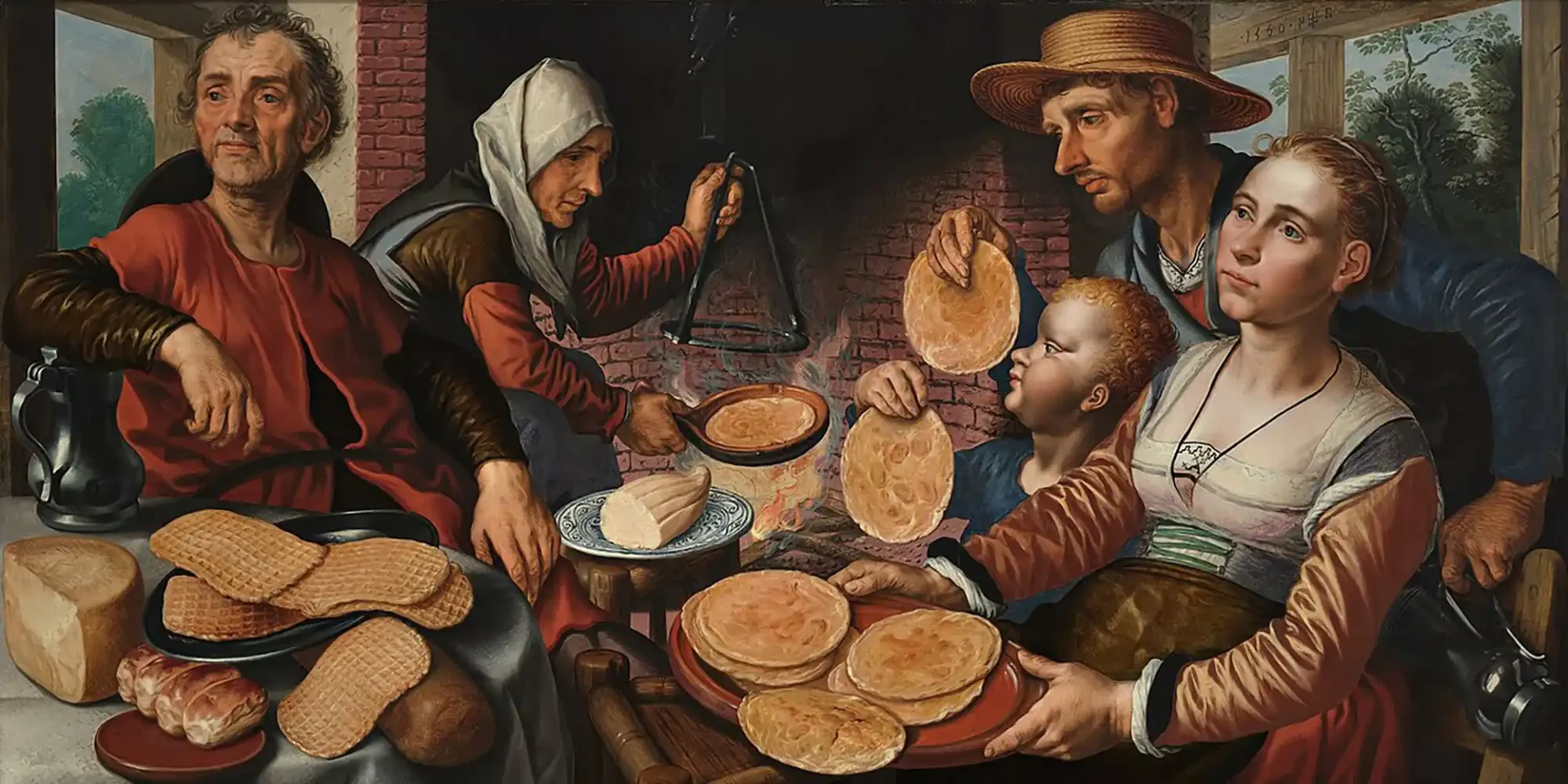
Pancakes have been a beloved food around the world for centuries, with a rich history that dates back to ancient times. From the earliest pancakes in China to today’s Dutch pancake culture, the evolution of this delicious dish is truly fascinating.
From China to Antiquity
The origin of pancakes can be traced back to ancient China, where they were first made from rice flour and water in the form of thin, flat cakes. These “pancakes” were eaten hundreds of years before Christ and served as an important source of nutrition. They were easy to prepare and could be filled with a variety of ingredients, making them highly versatile.
Greek and Roman Influences
The tradition of making pancakes then spread to ancient Greece and Rome. The Greeks prepared a dish called tagenites, made from flour, oil, water, and sometimes honey. The Romans ate a similar dish called libum. These early versions of pancakes began laying the foundation for the dish we love today.
How Pancakes Won Dutch Hearts
In the 16th century, pancakes began making their way into the Netherlands. With the addition of eggs and milk to the batter, the pancake gained its characteristic texture. By the 17th century, during the height of the Dutch Golden Age, pancakes became extremely popular—especially with the increased availability of ingredients such as sugar and spices. This gave rise to pancake houses, where a variety of pancakes were served.
Pancakes in Art: Pieter Aertsen
Pancakes are not only a culinary phenomenon but also a subject in art. A wonderful example is the painting The Pancake Baker by Pieter Aertsen from the 16th century. This work portrays a cozy scene in which a pancake baker is at work. The painting not only highlights the role of pancakes in daily life but also the value of gathering and enjoying food together.
Today’s Dutch Pancake Culture
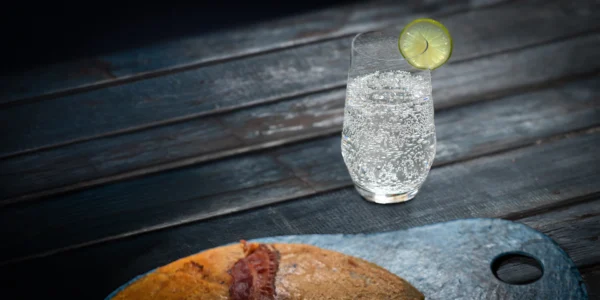
Today, pancakes are an essential part of Dutch food culture. From traditional toppings like sugar and syrup to creative flavors such as apple with cinnamon or bacon with cheese, the Dutch pancake offers something for everyone. Special occasions like “Pannenkoekendag” (Pancake Day) are also celebrated each year, where children learn to make their own pancakes.
From their distant origins in China to their modern-day popularity in the Netherlands, pancakes have a rich and fascinating history. They are a beloved dish that connects people across generations. Whether you choose an authentic Dutch pancake or a…